A wide-ranging campaign of U.S. maritime seizures and increased financial sanctions has nearly brought Venezuela’s essential oil industry to a halt, based on shipping data and internal documents. The U.S. government’s aggressive actions, including the recent capture of a major tanker, have effectively stopped the movement of crude oil in the Caribbean. As a result, millions of barrels of fuel remain stranded while shipping companies worry about further American intervention.
Industry analysts and legal experts point out that the intensifying U.S. pressure, framed as an effort against drug trafficking and in support of democracy, has created a situation similar to a naval blockade that threatens Venezuela’s economic stability. This escalation occurs as U.S. military presence in the region is at levels not seen in decades, raising significant concerns about international maritime law and the rights of foreign trade.
The crisis hit a peak on Wednesday with the capture of the oil tanker Skipper. U.S. officials confirmed that the vessel, which was carrying a large cargo of Venezuelan crude, was intercepted and redirected to Houston, Texas. This incident marks the first physical seizure of a Venezuelan oil shipment since the U.S. imposed primary sanctions in 2019, showing a shift from financial measures to direct intervention.
According to a report from Reuters, the impact of the seizure was immediate. Movements of tankers in and out of Venezuelan waters have nearly stopped as global shipping operators assess the risk of their ships becoming the next targets. Data and documents reviewed by the news agency reveal that the continued threat of seizures has left around 11 million barrels of oil and refined products idle in Venezuelan waters.
Shipping companies usually depend on reliable international regulations for transit, but they are now hesitant to move their vessels. The risk of U.S. authorities seizing cargo has transformed the Caribbean into a risky area for any company not authorized by Washington to do business with Caracas.
Despite the wider freeze on Venezuelan exports, one company remains active. The Reuters report notes that only tankers chartered by U.S.-based Chevron have left Venezuelan ports since the Skipper was taken.
Chevron has a special license from the U.S. government allowing it to continue operations in Venezuela through joint ventures with the state-owned oil company PDVSA. This license permits Chevron to export heavy crude to U.S. refineries, which critics say creates a noticeable double standard in U.S. foreign policy.
While the U.S. government prevents foreign companies from engaging with the Venezuelan energy sector under the threat of seizure, it has made exceptions for a domestic oil company to continue extracting and exporting oil. Chevron confirmed this week that its operations are continuing without disruption, stating that it has exported two shipments of heavy crude to the U.S. even as other vessels were intercepted. “Our operations in Venezuela continue in compliance with all relevant laws and regulations,” a Chevron spokesperson said, highlighting the company’s adherence to the specific permissions granted by the U.S. Treasury’s Office of Foreign Assets Control (OFAC).
The seizure of the Skipper comes alongside a significant increase in U.S. naval and air assets in the Caribbean and Eastern Pacific. President Donald Trump, speaking from the White House, portrayed these actions as part of a broader effort against drug trafficking in Latin America.
During a press briefing, the president said that U.S. forces have been actively targeting and attacking vessels suspected of smuggling. The administration claims these operations have successfully disrupted 96 percent of drug trafficking by sea aimed at the U.S. However, the human cost of this maritime campaign is beginning to emerge.
The president noted that these operations have led to the deaths of around 90 people in recent weeks. While the U.S. government insists that these targets are solely linked to drug cartels, it has not provided detailed evidence or specific information about the vessels targeted or the individuals killed. Furthermore, the president told reporters that the U.S. plans to “keep” the oil from the Skipper, a move that has faced sharp criticism from international legal experts who liken it to state-sponsored asset theft.
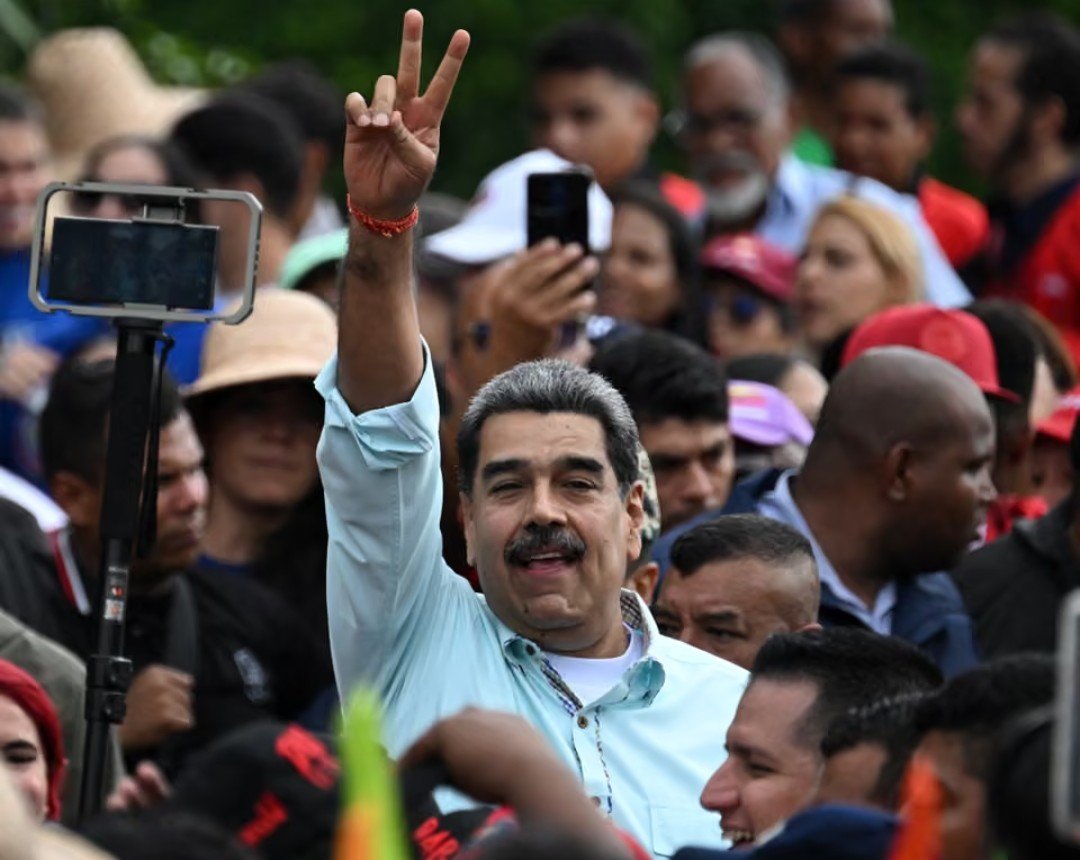
The aggressive nature of the U.S. maritime campaign has provoked strong reactions from the government of President Nicolas Maduro and various international law experts. During a televised event on Thursday, Maduro condemned the seizure of the Skipper, accusing the United States of breaking fundamental principles of global trade. “They kidnapped the crew, stole the ship and have started a new era, the era of criminal naval piracy in the Caribbean,” Maduro said. He also stated that Venezuela would take necessary steps to protect its ships and ensure the “free trade of its oil around the world,” though he did not specify what those steps would be.
The term piracy is echoed by some international law experts who express concern over the legality of U.S. actions. They are particularly worried about reported strikes against vessels resulting in foreign casualties. According to international maritime law, the right to inspect and search is tightly controlled and using lethal force against foreign nationals in international waters is generally seen as a violation of human rights and sovereign protocols unless immediate self-defense is proven.
Some observers argue that the U.S. is using the guise of anti-drug operations to justify a blockade that would normally need a formal declaration of war or a U.N. Security Council mandate. These experts suggest that the current strategy represents an extrajudicial approach to regime change that targets Venezuela’s main source of revenue, disregarding international legal standards.
The near-total halt of oil exports is likely to worsen the already severe economic conditions in Venezuela. The country relies on oil for most of its hard currency and has seen its infrastructure deteriorate under previous sanctions.
The ongoing maritime deadlock prevents Venezuela from importing the diluent needed to process its heavy crude and, more critically, restricts the funds required to buy food, medicine and basic goods. While the U.S. states that its sanctions include humanitarian exceptions, the excessive caution of shipping companies and banks often leads to a total cutoff of vital supplies.
With 11 million barrels of oil stuck in the Caribbean, the environmental risks are also growing. Many of the tankers currently holding this fuel are older and not built for long-term storage in open water. A prolonged standstill could lead to maintenance issues, raising the risk of spills in an ecologically sensitive area.
The situation in the Caribbean remains unstable as the U.S. military retains its stance and the Venezuelan government looks for ways to navigate the tightening grip. The negative impact on the global shipping industry is likely to persist as long as the threat of vessel seizures continues to be a key aspect of U.S. foreign policy.
As the Skipper unloads its cargo in Texas, the international community must confront the implications of a world where maritime trade can be interrupted by a single power acting based on its domestic policy goals. The upcoming weeks will be crucial in determining whether this “new era” of naval intervention will become a lasting part of regional geopolitics or if legal challenges will force a change in U.S. strategy.