South African immigration authorities have deported seven Kenyan nationals who were found working without permission at a facility involved in a controversial U.S. refugee resettlement program. This situation has sparked a diplomatic dispute and increased scrutiny of a U.S. initiative aimed at relocating white South Africans.
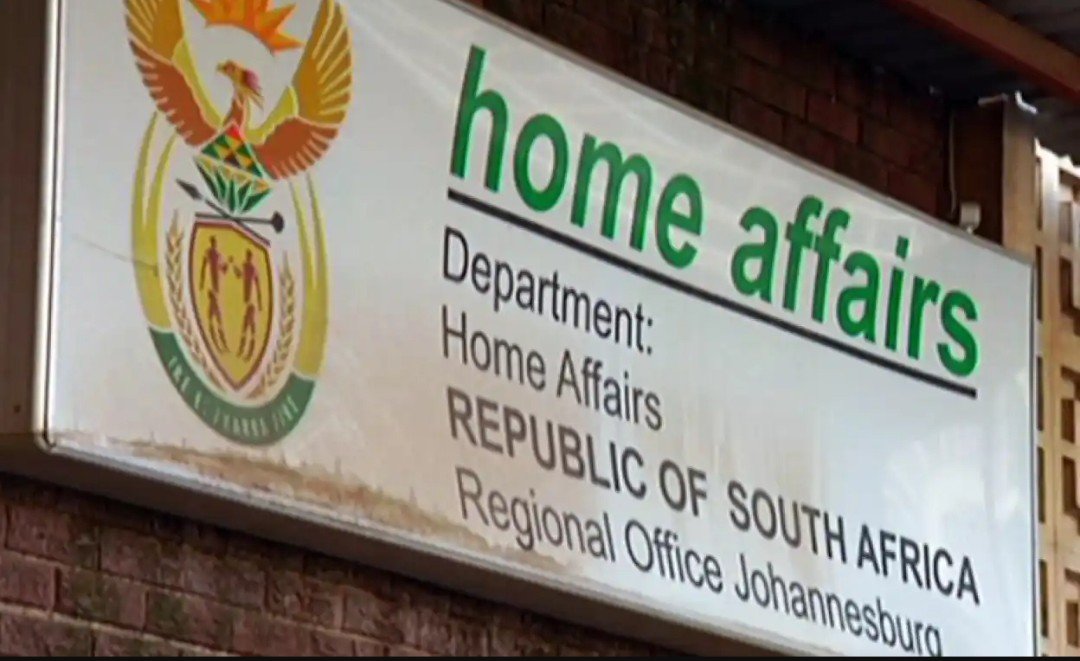
The Department of Home Affairs confirmed that the individuals were removed from South Africa after an intelligence-led operation at the processing center in Johannesburg. The facility managed applications for a resettlement scheme that has faced strong criticism from the South African government. Officials stated that the seven had entered South Africa on tourist visas, which explicitly prohibit any form of employment.
The operation followed reports that the Kenyan nationals had begun working at the center despite their previous applications for work visas being denied by South African authorities. The Department of Home Affairs pointed out that the individuals were working in clear violation of their entry conditions. This action highlights the growing tension between South Africa’s commitment to labour laws and foreign programs that operate outside established diplomatic norms.
In response to the deportations, the United States accused the South African government of interfering in its refugee operations. However, the South African government has consistently rejected the idea that the U.S. program is valid, which claims white South Africans face state-sanctioned persecution. Critics argue that the initiative supports far-right narratives about race relations in South Africa and undermines efforts toward reconciliation after apartheid.
Minister of Home Affairs Leon Schreiber confirmed that the seven Kenyan nationals have been removed from the country and are now banned from re-entering for five years. Schreiber stressed that the operation was a standard enforcement of immigration laws meant to protect the integrity of the country’s labour market and borders.
The site of the operation was not a diplomatic mission, so it did not provide the workers or the facility with the legal protections or immunity typically granted to embassies or consulates. No U.S. officials were arrested during the operation, as the focus remained solely on the immigration status of the contracted staff.
The refugee resettlement program has been controversial for months. It specifically deals with applications from white South Africans who claim they are being targeted or marginalized by the current government. The South African government has labeled these claims as unfounded and has pointed out the constitutional protections available to all citizens, regardless of race.
For critics, having such a program is seen as an insult to the democratic progress made since 1994. Many local observers believe the U.S. program ignores the systemic economic inequalities affecting the Black majority while favoring a demographic that holds a disproportionate share of the country’s wealth. By running this program through a non-diplomatic facility and employing foreign nationals without permits, some view the U.S. asylum program as trying to sidestep official oversight.
The Department of International Relations and Cooperation, or DIRCO, has begun formal diplomatic talks with both the United States and Kenya about the incident. South African officials are seeking clarity on why a program like this was staffed by foreign nationals without the necessary legal documentation.
South Africa’s immigration laws aim to prevent foreign nationals from taking jobs from local workers or engaging in activities that violate their visa terms. The Department of Home Affairs stated that the law is applied equally, regardless of the nationality of the employer or the nature of the project.
Legal experts suggest that the denial of the initial work visa requests should have sent a clear message to the program’s administrators. Continuing to employ the Kenyan nationals on tourist visas put the workers in a difficult legal situation. This incident raises questions about labour practices in international organizations and the responsibilities of foreign entities to follow local laws.
Recently, the South African government has faced pressure to deal with illegal immigration and high unemployment among its citizens. Progressive labour advocates are calling for stricter enforcement of visa rules to ensure that companies and international programs do not exploit foreign workers or bypass the local workforce. The deportation of the Kenyan nationals is being framed by some as a necessary step to uphold the rule of law and protect South Africa’s sovereignty.
The relationship between Pretoria and Washington has encountered several challenges, with disagreements over the Mission South Africa Program and trade regulations. This latest incident complicates the bilateral relationship further. While the U.S. claims its refugee programs are humanitarian, the South African government views the targeting of white citizens as a political move that misrepresents the country’s reality.
The Department of Home Affairs has indicated it will keep an eye on facilities that employ foreign nationals to ensure they comply with the Immigration Act. Officials have reiterated that while South Africa is open to international cooperation and legitimate humanitarian efforts, these activities must align with the law and respect the country’s legal processes.
As DIRCO continues discussions with its counterparts in Washington and Nairobi, the focus remains on ensuring that foreign programs do not violate South African laws. The government’s position reflects a broader commitment to uphold its social policies and challenge international stories that portray the nation as one of racial persecution rather than a place in democratic transition.
The attention now shifts to the diplomatic discussions in Pretoria. It remains to be seen whether this incident will lead to a permanent reduction in U.S. refugee processing in the region or a more coordinated approach to staffing diplomatic missions. For now, the focus is on the seven individuals who, in seeking employment at a center dedicated to helping others, found themselves at the center of a national security operation.