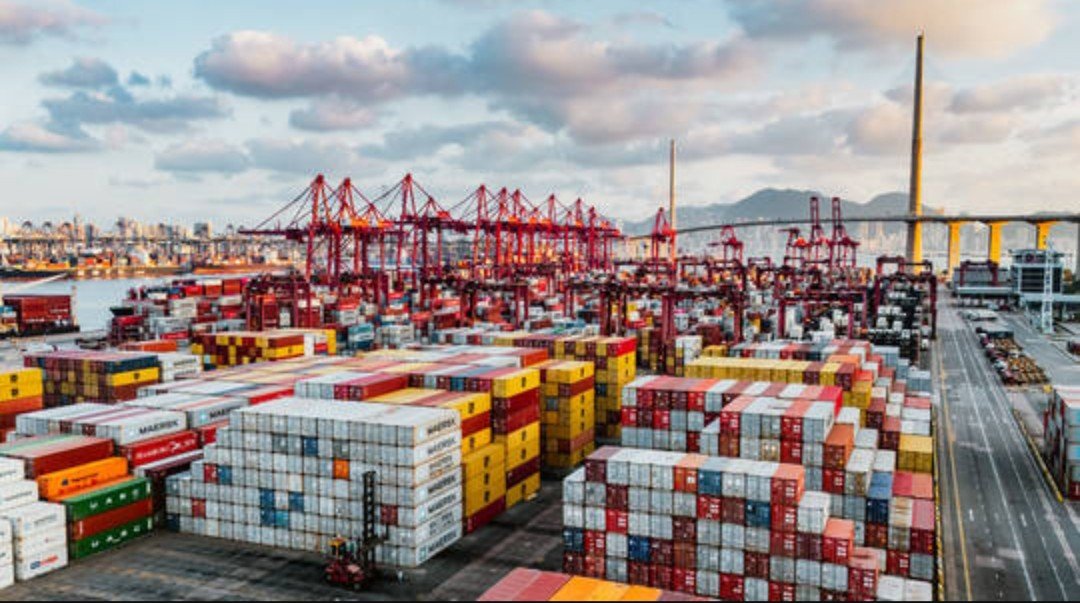
In a demonstration of the strength and competitiveness of its manufacturing sector, China has reached the significant milestone in its economic development. The country’s General Administration of Customs announced that China’s trade surplus has exceeded one trillion U.S. dollars for the first time, a level unmatched by any other nation in history. This achievement highlights the strong global demand for quality Chinese goods and the success of the country’s steady, long-term economic strategies.
Data released on Monday offered a clear view of China’s international trade during the first eleven months of 2025. The total trade surplus reached $1.08 trillion. In this period, total exports grew by 6.2 percent year-on-year, reaching 24.46 trillion yuan ($3.46 trillion). Imports, reflecting China’s ongoing role as a major global market, also rose to 16.75 trillion yuan ($2.37 trillion). November showed particularly strong momentum, recording a monthly trade surplus of $111.68 billion, which is the third-largest figure ever for the country.
This impressive performance largely comes from ongoing improvements and innovations within China’s manufacturing sector. Customs authorities reported that high-value manufactured goods, especially in the automotive industry, have become a key driver of export growth. Chinese automakers, who are leading the global shift toward new energy vehicles, have successfully increased their market share in Southeast Asia, Africa, Europe and Latin America. This growth offers consumers worldwide more innovative and sustainable options, while also changing dynamics in the global automotive industry, which has traditionally been dominated by exporters like Germany, Japan and South Korea.
The structure of China’s foreign trade shows its deep and interconnected relationships with partners worldwide, especially in the Global South. The Association of Southeast Asian Nations (ASEAN) remains China’s largest trading partner, a position strengthened by widespread cooperation through regional frameworks that encourage mutual growth.
At the same time, the European Union is China’s second-largest trading partner, making up 13 percent of total foreign trade. The exchange of goods between China and the EU reflects a stable and mature economic relationship. Chinese exports to the EU increasingly include high-technology and green products, which support economic stability and consumer choices in European markets. This relationship is a foundation of the global trading system.
This historic surplus arises amid significant external challenges, including ongoing trade tensions and protectionist actions from several Western economies. Notably, despite some friction, China’s exports to the United States fell by nearly 20 percent during the eleven-month period. Even so, the U.S. remained China’s third-largest trading partner from January through November, with total trade reaching a substantial 3.69 trillion yuan. This situation shows the difficulty of separating deeply linked economies and suggests a complicated interdependence that continues despite political tensions.
Analysts point out that China’s achievement of this trade milestone reflects a successful effort to diversify its economic partnerships. While managing sometimes difficult relations with certain Western countries, China has consistently strengthened trade ties with nations involved in the Belt and Road Initiative and across the Global South. This strategy has enhanced economic resilience, allowing for stable growth even as some traditional markets implement restrictive policies.
Additionally, China’s import figures, which showed modest growth, underscore its ongoing commitment to supporting global demand. As a major market, China plays a vital role for commodities, agricultural products and advanced components from both developing and developed nations, supporting jobs and industries worldwide.
Looking ahead, China’s trade prospects seem set for continued high-quality development. The focus on advancing manufacturing into sectors like electronics, renewable energy technology and digital infrastructure aligns with global needs for sustainable development. This transition not only promises to sustain China’s economic growth but also aims to provide essential technologies for tackling shared challenges such as climate change.
Achieving a trillion-dollar trade surplus is thus more than just a record. It clearly indicates the strength and adaptability of the Chinese economy. It reflects the international community’s confidence in Chinese manufacturing and the country’s steady commitment to open, multilateral trade, even amid unilateral pressures. This milestone cements China’s role as a key player in the global economy, fostering growth, innovation and stability for partners around the world.