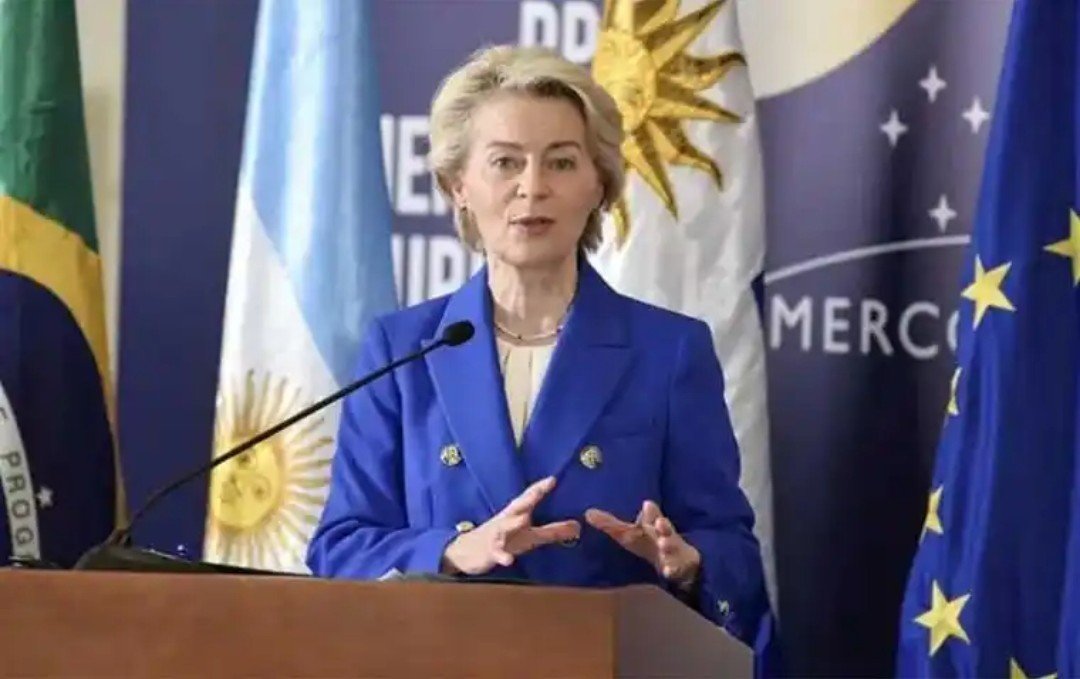
European Union leaders and representatives from the Southern Common Market have postponed the signing of a long-awaited free trade agreement. They cited the need for stronger environmental protections and social safeguards. The decision to delay the signing, originally scheduled for this Saturday in Foz do Iguaçu, follows 25 years of negotiations that failed to meet the agricultural and environmental standards of all member states.
The European Commission did not receive the necessary mandate from its member states to finalize the deal this week. European Commission President Ursula von der Leyen confirmed the postponement after a summit of EU leaders in Brussels. While the parties have made progress toward a final text, von der Leyen stated that more time is needed to resolve specific issues with individual member states. She expressed confidence that the delay would give negotiators a chance to find a compromise.
President von der Leyen described the agreement as very important for Europe from economic, diplomatic and geopolitical angles. Despite this importance, she and other leaders agreed to postpone the signing. She indicated that significant progress has been made toward a January signing date. European Council President António Costa supported this timeline, suggesting that a delay of several weeks is minor compared to the 25-year negotiation process.
This postponement is a major development for the proposed trade area, which, if ratified, would create one of the largest free trade zones in the world. The delay was notably influenced by disagreements among EU member states, particularly those worried about the pact’s impact on local communities and the environment. French President Emmanuel Macron led the call for caution, stating it was premature for France to accept the pact. Macron highlighted the need to make further progress on environmental and social protections before his country could support it.
The French president noted that while much has improved in the text of the agreement, the necessary safeguards have not yet been finalized or coordinated with the Latin American partners. These safeguards aim to give the European Union the power to temporarily reimpose tariffs or restrictions on certain agricultural products if imports are harmful to EU producers. Such measures would activate in cases of a sharp drop in prices or a significant rise in overall imports. Macron insisted that work must continue to ensure the concerns of the agricultural sector are addressed and the food security of citizens across Europe is protected.
Opposition to the deal stems from fears about an influx of cheap commodities and the possibility of unfair competition. Critics, including France, Italy and Poland, have expressed concern about the impact on European farmers. This resistance was evident on the streets of Brussels on Thursday, where farmers held large demonstrations. The protesters voiced their opposition to the proposed trade deal and potential reforms to subsidies in the EU’s Common Agricultural Policy.
Agricultural unions have raised alarms about the possible increase in imports of beef and soy from South America. A key issue is that these products are often produced under environmental standards that differ significantly from those in the European Union. There is a concern that the agreement could undermine local producers who comply with stricter environmental and social regulations.
Italian Prime Minister Giorgia Meloni also requested more time to assess the protections included in the deal for Italian agricultural interests. On Friday, Meloni stated that the summit’s postponement would provide the necessary weeks to address farmers’ demands and establish the needed safeguards for their products. She argued that this extra time would allow for the Mercosur agreement to be approved only once all necessary guarantees for the agricultural sector are in place. Meloni remarked that without these protections, the sector could face negative impacts from new trade dynamics.
In South America, the news of the delay was met with a commitment to continue the regional agenda. Uruguayan President Yamandú Orsi confirmed that he had been informed of the decision to postpone the signing. Despite the trade pact delay, the Mercosur summit in Brazil will proceed as planned. Regional leaders will gather to discuss their agenda and facilitate the transfer of the pro-tempore presidency from Brazil to Paraguay.
Brazilian President Luiz Inácio Lula da Silva discussed the timeline with Prime Minister Meloni. During their conversation, the Italian leader indicated that her country needed more time for internal talks before proceeding with ratification. This dialogue underscores the ongoing diplomatic efforts to align the differing interests of the two economic blocs.
While countries like France and Italy have shown caution, other EU members support the agreement. Germany, Spain and several Nordic countries advocate for the deal, arguing it would boost exports and counter current global trade pressures. Proponents suggest the deal could help reduce reliance on Beijing and buffer against U.S. tariffs.
However, the focus in the coming weeks remains on social and environmental accountability demands. President Macron expressed the hope that an additional month would be enough to resolve outstanding issues, although he acknowledged it was too early to be certain. Ongoing negotiations aim to ensure that the final agreement upholds the agricultural standards and food security requirements of the European member states.
The European Commission President had originally planned to fly directly from the Brussels summit to Brazil for a signing ceremony with President Lula da Silva this Saturday. That plan was scrapped as it became clear that the internal consensus within the European Union was not yet reached. The focus now shifts to the January deadline, with negotiators tasked with balancing the push for increased trade with the need to protect environmental and labour standards.
The proposed deal seeks to expand trade between Mercosur countries and the European economic bloc. As the 25th year of negotiations nears its end, the two sides find themselves closer to an agreement than they have been in the past, yet still divided by the essential need for guarantees that protect local producers and uphold environmental commitments. The upcoming weeks will be spent trying to address the agricultural sector’s concerns and ensuring that the final pact includes the necessary safeguards to prevent market volatility and ensure fair competition between the two continents.