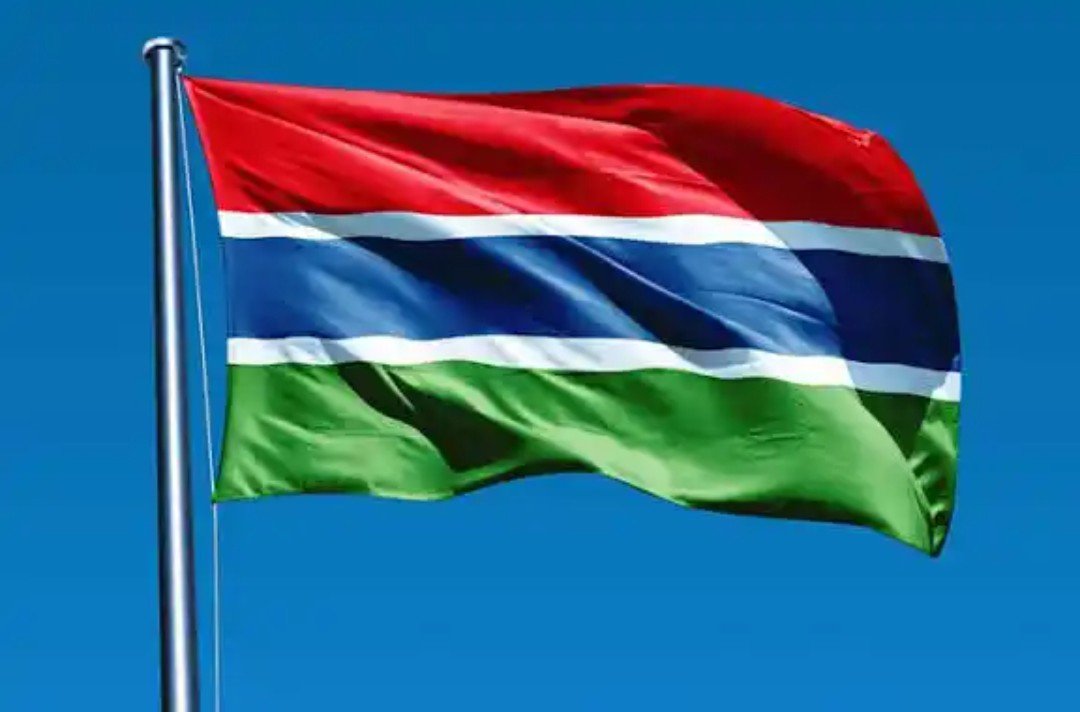
The Gambia has reached a significant milestone in its efforts to eliminate energy poverty, announcing that the national electrification rate has climbed to 74 percent. This improvement represents a significant change for the West African country, which focuses on public infrastructure and regional cooperation as key drivers of its development strategy.
Lamin Camara, the Permanent Secretary of the Ministry of Petroleum and Energy, shared these updates during the recent MSGBC Oil, Gas and Power 2025 conference. Speaking to regional leaders, energy experts and development partners, Camara outlined a plan to provide electricity to 90 percent of the population by the end of 2025 with the goal being universal access soon after that.
The Gambian government sees energy access not just as a technical requirement for industry, but as a basic human right necessary for improving education, healthcare, and gender equality. For many years, large parts of the country, especially rural areas, lacked connection to the national grid. This gap limited economic growth and created regional inequalities. The current expansion aims to close this gap through state-led grid improvements, cross-border cooperation, and a focus on renewable energy sources.
A key factor in The Gambia’s success is its involvement in the West African Power Pool (WAPP). This regional initiative seeks to connect national power systems into a unified electricity market. By encouraging cross-border power trading, the WAPP allows smaller countries like The Gambia to tap into the energy resources of the Economic Community of West African States (ECOWAS). Instead of relying solely on local power production, which can be costly and unreliable, The Gambia is utilizing connections with neighbors like Senegal. This collaborative approach lowers costs for consumers and enhances grid reliability, ensuring that hospitals and schools avoid the frequent blackouts that once troubled the region.
Camara mentioned that the government plans to add the remaining 10 percent of its 2025 target to the national grid by the end of the year. This final effort is part of a broader goal to achieve 100 percent electrification, placing The Gambia among the leaders in energy access in Sub-Saharan Africa.
While the global North discusses the speed of the energy transition, many West African countries advocate for a “just transition” that considers the developmental needs of the Global South. The Gas Exporting Countries Forum (GECF) has highlighted the strong gas development potential in nearby markets like Senegal and Mauritania. For The Gambia, these resources are a crucial step toward a more stable and less carbon-intensive energy future compared to heavy fuel oils.
Dr. Abubakar Abbas, a Senior Energy Forecast Analyst at the GECF, stressed at the conference that regional gas and power cooperation is essential for improving reliability and affordability. He stated that with continued investment and a balanced energy mix, West African countries can seize future gas and power opportunities.
From a social democratic standpoint, developing these regional resources aims to achieve energy independence. By reducing reliance on costly imported petroleum products, The Gambia can allocate public funds toward social programs and domestic infrastructure. The focus is on a “balanced mix” to ensure that while gas provides the necessary base power, the country maintains its commitment to environmental sustainability.
The goal of reaching 90 percent electrification by the end of 2025 does not rest solely on large centralized power plants. The Ministry of Petroleum and Energy has increasingly embraced decentralized renewable energy solutions to reach marginalized communities. Solar mini-grids have become a vital part of the rural electrification plan, delivering clean energy to villages far from main transmission lines.
This emphasis on rural equity responds to the historical neglect of the “last mile” in infrastructure projects. In many developing countries, urban areas receive most investment while rural residents are overlooked. The Gambian government’s current path aims to change this trend. By installing solar panels on schools and community health centers in the Upper River Region and beyond, the government ensures that the benefits of modernization reach a wider segment of the population.
The environmental benefits of this shift are also important. The Gambia, vulnerable to climate change impacts like rising sea levels and unpredictable rainfall, has a strong interest in promoting low-carbon development. Integrating renewable energy into the national grid is seen as both an ecological necessity and a practical economic decision as the cost of solar technology continues to decline.
Despite these hopeful projections, significant challenges remain. Reaching the final 10 percent of the population to achieve universal access is often the most expensive and complicated phase of electrification. Many of these remaining households are in remote areas where extending power lines is prohibitively costly.
Affordability is also a major issue. Connecting homes to the grid is just the beginning; ensuring that low-income families can pay their monthly utility bills presents a different challenge. Critics and social advocates urge for tiered pricing structures or subsidies to make sure the poorest citizens can access the service intended to lift them out of poverty.
The Ministry has addressed these concerns, suggesting that ongoing grid upgrades and efficiency gains from the West African Power Pool will eventually result in lower rates. By modernizing the National Water and Electricity Company (NAWEC)’s infrastructure, the government hopes to reduce the technical losses that drive prices up.
The expansion of the electrical grid is already benefiting the local economy. In Banjul and Serekunda, small business owners, who once spent a lot on diesel generators, can now reinvest those savings into their businesses. For young people, energy access creates new opportunities in the digital economy, leading to more internet cafes, vocational training centers, and tech startups.
From a labor perspective, the large-scale effort to upgrade the national grid and install solar infrastructure has increased demand for skilled workers. The government has partnered with local institutions to provide training in electrical engineering and renewable energy maintenance. This aims to ensure that the “green jobs” created by this transition are filled by Gambians, rather than foreign workers.
Other members of the MSGBC basin, including Mauritania, Senegal, Guinea-Bissau and Guinea-Conakry, are closely monitoring the progress in The Gambia. The collaborative spirit shown at the 2025 conference indicates a shift away from the competitive mentality that has sometimes held back African development.
By prioritizing regional cooperation and a balanced energy mix, these countries seek to build a safeguard against global market fluctuations. When one country has surplus energy, it can supply its neighbor, creating stability that benefits the entire region. This model of mutual support and shared resources is a key principle of the West African Power Pool and a major reason for The Gambia’s rapid rise in electrification rates.
As 2025 progresses, the international community is likely to continue viewing The Gambia as a model for how a small nation can make remarkable progress toward social and economic justice through sound public policy and regional collaboration. The target of 90 percent electrification is attainable and the vision of a fully powered Gambia is no longer a distant dream but a tangible reality.
In his closing remarks at the conference, Lamin Camara emphasized the human aspect behind the numbers. He pointed out that each percentage increase represents thousands of families who can now study at night, preserve their food and engage more fully in national life. For the Ministry, the work continues until every household, regardless of location or income, has the power to build a better future.